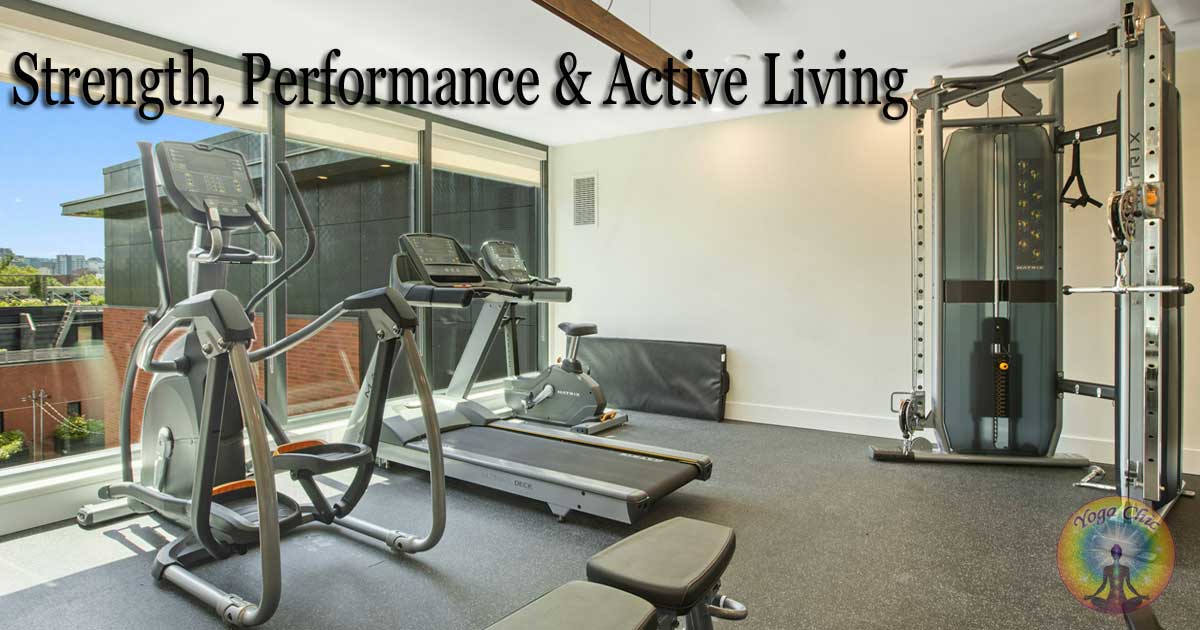
Getting stronger doesn’t have to mean a gym membership, a complicated program, or a garage full of equipment you’ll use twice.
It just means moving with intention – consistently, and in a way that actually fits your life.
Whether you’re building a home workout space, adding a few solid pieces to what you already have, or just looking for better tools to support the way you like to move, this is the place to start.
Building a Home Gym That Actually Works
The best home gym is the one you’ll actually use. That doesn’t mean spending a fortune or dedicating an entire room. Some of the most effective setups fit in a corner of a bedroom or a few square feet of living room floor.
What matters is having the right foundational pieces – tools that are versatile, durable, and don’t collect dust.
Power Systems has been outfitting home gyms and training facilities for decades and their home gym collection is genuinely well-curated – functional equipment without the gimmicks. Whether you’re just getting started or filling gaps in what you already have, it’s worth a look.
Browse the Power Systems Home Gym Collection
The Essentials Worth Having
You don’t need everything. But a few versatile pieces make a real difference in what you can do and how consistently you’ll do it.
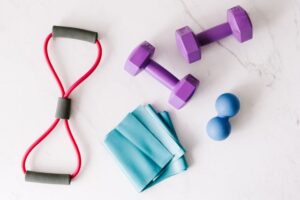
Resistance Bands One of the most underrated tools in any fitness setup. Light, compact, and useful for everything from warm-ups and mobility work to full strength sessions. Great for travel too. If you only add one thing, start here.
Dumbbells or Adjustable Weights A solid set of dumbbells covers a huge range of exercises – upper body, lower body, core. Adjustable sets are a smart choice if space is limited since they replace an entire rack in one compact unit.
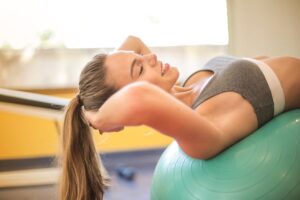
Stability and Balance Tools Balance boards, stability balls, and foam rollers do double duty – they improve functional strength and support recovery. If yoga and pilates are already part of your routine, these integrate naturally with what you’re already doing.
A Good Mat Non-negotiable. A quality mat works for yoga, stretching, bodyweight training, and floor work. It’s the foundation of any home movement practice.
See Equipment Options at Power Systems
Training That Fits a Real Life
The fitness routines that actually stick aren’t the most intense ones – they’re the most sustainable ones.
A workout you can do in 20-30 minutes, three or four times a week, with equipment you have at home will always outperform an elaborate program you keep putting off until you get to the gym.
A few things that make consistency easier:
- Keep your equipment visible and accessible – if it’s buried in a closet it won’t get used
- Pair strength work with the mobility and recovery practices you’re already doing
- Short sessions count – 20 minutes of focused movement is never wasted
- Progress looks different week to week and that’s fine
Recovery Is Part of the Work
Training breaks the body down. Recovery is where it actually gets stronger.
Foam rolling, mobility work, proper sleep, and hydration aren’t extras you add when you have time – they’re what makes everything else effective. If you’re already doing yoga or stretching regularly you’re ahead of most people on this front.
A few recovery tools worth having at home – a foam roller, a massage ball for targeted muscle release, and a solid stretching routine. Power Systems carries a good range of recovery essentials alongside their training equipment.
Recovery Tools at Power Systems
Where to Go From Here
Strength and yoga complement each other more than most people realize. Yoga builds the mobility and body awareness that makes strength training more effective. Strength training builds the stability that deepens a yoga practice.
If you’re working on tightness and mobility alongside your fitness routine, the yoga stretches for tight hips are a good place to start – especially if strength work is leaving your hips and lower back feeling compressed. And if you spend a lot of time at a desk between workouts, the chair yoga routine keeps things moving on the days you’re not training.
Move well. Recover well. Repeat.